Retired Greyhound Adoption UK: How to Rehome a Racing Dog
 Available in US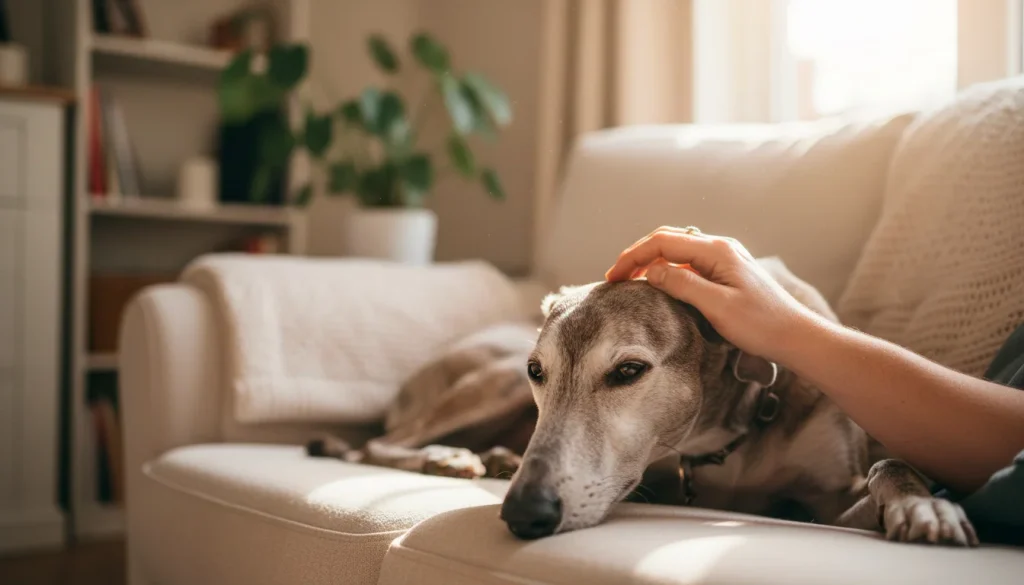
Retired racing greyhounds make remarkable pets. These gentle athletes transition from track competition to home life with surprising ease, offering companionship to families who give them the chance. The adoption process connects thousands of greyhounds with new owners each year, creating bonds that benefit both species. The wider context is set out in our guide to watching UK greyhound racing.
The scale of successful rehoming has grown substantially. In 2024, 94% of greyhounds leaving racing careers found homes through official channels, representing the highest placement rate on record. This success reflects improved coordination between racing industry bodies, dedicated homing organisations, and a growing community of adopters who appreciate what retired racers offer.
This guide covers everything prospective adopters need to know. From understanding why greyhounds suit domestic life to navigating the adoption process and preparing your home, you will find practical information that turns interest into action. The greyhound waiting for you might be finishing its racing career right now.
Why Adopt a Retired Greyhound
Greyhounds possess temperaments that surprise people unfamiliar with the breed. Despite their athletic reputation, most retired racers are calm, gentle, and content to spend hours sleeping. The nickname “45 mph couch potato” captures this contradiction between explosive speed and domestic laziness.
Their coat maintenance requires minimal effort. Greyhounds have short, smooth fur that sheds lightly and rarely develops the odour associated with some breeds. Regular brushing takes minutes rather than hours, and bathing needs arise infrequently unless muddy adventures intervene.
Space requirements are surprisingly modest. While greyhounds appreciate room to run occasionally, they do not need constant exercise or large gardens. Two moderate walks daily satisfy most retired racers, who prefer quality rest between outings. Apartment dwellers successfully keep greyhounds, provided they commit to regular outdoor time.
Health profiles typically favour the breed. Racing greyhounds undergo regular veterinary attention throughout their careers, meaning many arrive in adoption with documented medical histories. Common breed issues exist but occur at manageable rates. Lifespans of twelve to fourteen years are achievable with proper care.
Temperament suitability extends to various households. Many greyhounds live successfully with children, cats, and other dogs, though individual assessment matters. Their racing background means they respond well to routine and handle new environments with curiosity rather than anxiety.
The Adoption Process
Adoption begins with contacting a rehoming organisation. The Greyhound Trust, Retired Greyhound Trust, and numerous independent rescues all facilitate adoptions. Most maintain online enquiry forms where you provide basic information about your circumstances and what you seek in a greyhound.
Home checks assess whether your living situation suits greyhound ownership. Volunteers visit to evaluate garden security, identify potential hazards, and discuss your lifestyle. These visits are supportive rather than judgemental; the goal is matching dogs with appropriate homes, not excluding keen adopters on technicalities.
Meeting available greyhounds happens at rescue centres or foster homes. Staff match you with dogs whose personalities and needs align with your situation. Taking time with multiple dogs rather than committing immediately often produces better outcomes. The right greyhound for you might not be the first one you meet.
Adoption fees typically range from £100 to £300. These contributions cover neutering, vaccinations, microchipping, dental work, and other veterinary preparation that ensures dogs leave healthy and ready for home life. The fee represents a fraction of actual costs, with organisations subsidising the remainder through fundraising.
Trial periods allow adjustments before final commitment. Many organisations offer fostering arrangements or return policies that remove pressure from initial decisions. If circumstances change or matching problems emerge, responsible organisations take dogs back rather than leaving adopters struggling.
Post-adoption support continues indefinitely. Good organisations remain available for advice, health questions, and behaviour guidance throughout the greyhound’s life. This ongoing relationship benefits adopters who encounter unexpected challenges as their new pets adjust.
Greyhound Trust and Other Organisations
The Greyhound Trust operates as the largest dedicated greyhound rehoming charity in Britain. Their network of branches spans the country, placing thousands of dogs annually. Close connections with the racing industry mean direct access to greyhounds as they retire.
Adoptions through Greyhound Rescue Society centres increased 37% in the first half of 2025 compared to the previous year. This growth reflects both increased awareness among potential adopters and improved coordination between racing trainers and homing organisations. The infrastructure supporting retired greyhounds continues expanding.
Regional rescues serve local communities with personalised attention. Organisations like Forever Hounds Trust, Greyhound Rescue Wales, and numerous smaller groups operate across specific territories. These local bodies often maintain closer adopter relationships than national organisations can achieve.
Independent fosterers contribute significantly to overall capacity. Volunteers who temporarily house greyhounds between racing and permanent adoption expand the system’s ability to handle transitions. Fostering also helps assess individual dogs’ domestic suitability before permanent placements.
Racing industry contributions fund much of this infrastructure. Levies on betting turnover, direct contributions from tracks, and trainer participation all support the homing network. This connection between racing activity and post-racing welfare creates accountability that benefits retired greyhounds.
Preparing Your Home
Garden security requires particular attention. Greyhounds can jump higher than their lounging demeanour suggests, and they can reach significant speed within a few strides. Fencing of at least five feet height contains most dogs, though individual escape artists may require additional measures.
Indoor space needs include a comfortable bed in a quiet area. Racing greyhounds are accustomed to kennel life with regular rest periods. Providing a dedicated sleeping spot where they feel secure helps transition to domestic routines. Many adopters provide raised beds that accommodate greyhound proportions.
Stairs may present initial challenges. Kennel environments rarely include stairs, so some greyhounds need gradual introduction to climbing. Patience and encouragement work better than forcing; most dogs figure out stairs within days once shown the technique.
Glass doors and large windows sometimes confuse dogs who have never encountered transparent barriers. Marking glass at greyhound eye level prevents collisions during early adjustment periods. These temporary measures come down once dogs learn their new environment’s boundaries.
Other pets require careful introduction. Greyhounds have strong prey instincts that may initially apply to cats or small animals. Supervised introduction protocols, muzzle use during early encounters, and gradual trust-building enable successful multi-pet households. Some greyhounds are specifically tested as cat-safe before adoption.
Starting Your Life Together
The first weeks establish patterns that persist throughout your greyhound’s life with you. Consistent routines around feeding, walking, and sleeping help dogs adjust from kennel schedules to household rhythms. Patience during this transition period prevents problems that urgency creates.
Leash training often needs reinforcement. Racing greyhounds have rarely walked on leads in domestic contexts. Short practice sessions build skills gradually, and most dogs become reliable walkers within weeks. Martingale collars prevent escapes that standard collars allow given greyhounds’ narrow heads.
Socialisation opportunities expand your greyhound’s confidence. Greyhound walking groups exist in many areas, providing both exercise and breed-appropriate socialisation. These gatherings let adopters share experiences and advice while dogs interact with their own kind. The retirement figures are in the welfare data.
The joy of adopting a retired racer unfolds over time. Initial adjustment gives way to deepening bonds as your greyhound’s personality emerges. The athlete who once competed at extraordinary speeds becomes the companion who rests their head on your lap while you watch television. This transformation represents retirement as it should be: a new chapter that rewards the years of racing service with comfort, affection, and the home every greyhound deserves.
