Greyhound Welfare UK: GBGB Standards, Regulations and Retirement
 Available in US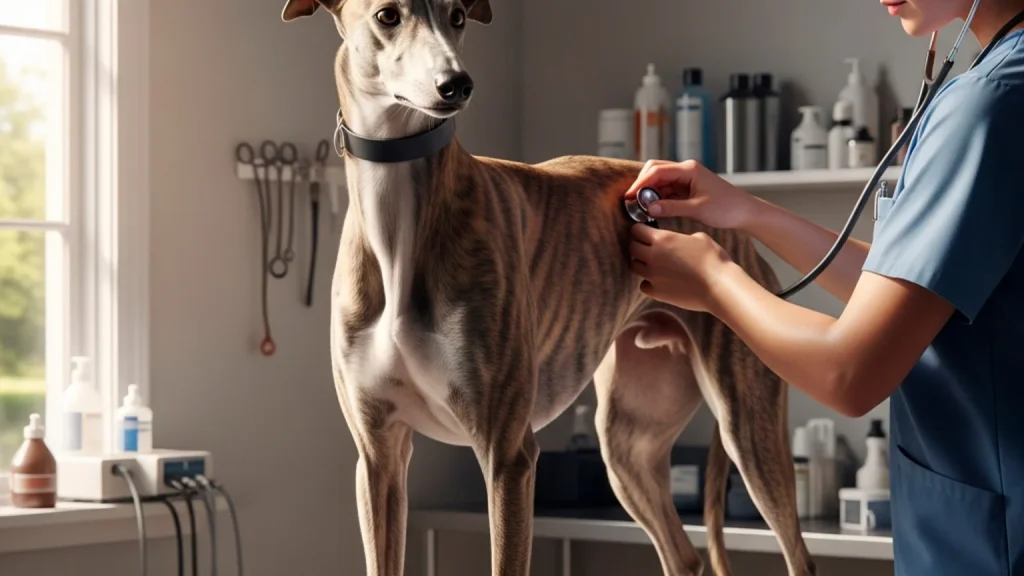
Greyhound welfare sits at the centre of ongoing debates about the sport’s legitimacy and future. Critics argue that racing inherently harms dogs through injury risks and inadequate post-career support. Proponents point to substantial improvements in welfare standards, declining injury rates, and comprehensive homing programmes. Understanding the actual regulatory framework and measurable outcomes helps form evidence-based perspectives on these contested questions. The wider context is set out in our guide to watching UK greyhound racing.
The UK operates one of the most regulated greyhound racing systems globally, with the Greyhound Board of Great Britain overseeing licensed tracks and enforcing welfare standards. This framework has evolved significantly over recent decades, responding to criticism, legislative pressure, and genuine commitment within parts of the industry to improve dog welfare outcomes.
The welfare debate has intensified recently, with legislative efforts in Wales and Scotland seeking to ban greyhound racing entirely. These proposals argue that no level of regulation adequately protects dogs from racing’s inherent harms. Industry responses emphasise the progress achieved and question whether bans would actually improve welfare given the loss of regulated oversight.
Data from GBGB and independent sources allows assessment beyond rhetoric. Injury rates, retirement outcomes, and funding levels provide concrete measures of welfare system performance. These metrics show both genuine progress and continuing challenges, painting a nuanced picture that resists simple characterisation as either satisfactory or unacceptable.
This guide examines UK greyhound welfare comprehensively. We explore the regulatory structure, injury prevention measures, retirement programmes, funding mechanisms, and measurable improvements over time. The goal is informed understanding rather than advocacy for any particular position on greyhound racing’s ethical status.
UK Greyhound Welfare Framework
The UK greyhound welfare system operates through multiple overlapping mechanisms: industry self-regulation via GBGB, statutory animal welfare law, voluntary codes of practice, and independent welfare organisations. This layered approach creates both redundancy and complexity, with different bodies holding responsibility for different aspects of greyhound care.
GBGB serves as the primary regulatory body for licensed greyhound racing in Britain. The organisation licenses tracks, registers greyhounds, employs racing officials, and enforces rules governing everything from kennel conditions to race-day procedures. Its welfare remit extends beyond race meetings to cover greyhounds throughout their racing careers and into retirement.
Statutory law provides the baseline that GBGB regulations must meet or exceed. The Animal Welfare Act 2006 establishes general duties of care applicable to all animals, including racing greyhounds. The Welfare of Racing Greyhounds Regulations 2010 created specific requirements for licensed tracks, though these represented minimum standards rather than aspirational goals.
The 2010 regulations introduced several key requirements: mandatory identification of all racing greyhounds, record-keeping obligations for tracks and trainers, and specified welfare standards for kennelling and transport. Post-implementation review found that these regulations improved baseline welfare but did not alone achieve optimal outcomes.
Independent welfare organisations operate alongside the regulated industry. The Greyhound Trust, founded in 1975, focuses on rehoming retired racing dogs. Rescue centres across Britain house greyhounds awaiting adoption, funded through combinations of industry contributions, charitable donations, and adoption fees. These organisations sometimes collaborate with GBGB while maintaining independence to criticise industry practices when warranted.
The framework has expanded significantly since 2018, when GBGB launched its comprehensive welfare strategy “A Good Life for Every Greyhound.” This initiative established measurable goals across injury reduction, retirement outcomes, and transparency. Progress reports published regularly allow public assessment of whether commitments translate into actual improvements.
This strategy emerged partly in response to increasing criticism and the threat of legislative intervention. The industry recognised that maintaining social licence to operate required demonstrable welfare commitment beyond minimum legal compliance. Whether this motivation matters less than the outcomes achieved remains debatable, but the strategic shift toward proactive welfare improvement is documented.
Critics argue that industry self-regulation inherently conflicts with welfare priorities when commercial pressures exist. Proponents counter that no external regulator possesses the technical expertise and access necessary for effective oversight. The debate continues, though recent legislative interest in Wales and Scotland suggests that purely self-regulatory approaches may face increasing scrutiny.
GBGB Regulations and Oversight
GBGB regulations govern every stage of a racing greyhound’s career within the licensed system. These rules cover registration, training, kennelling, racing, medical care, and retirement. Compliance is mandatory for continued participation in licensed racing, with violations potentially resulting in fines, suspensions, or permanent exclusion.
Registration requirements establish traceability from birth through career completion. Every racing greyhound receives a unique identifier linked to records documenting ownership, training history, race results, injuries, and eventual retirement outcome. This comprehensive tracking enables welfare monitoring that would be impossible without systematic documentation.
Kennel standards prescribe minimum conditions for housing racing greyhounds. Regulations specify requirements for space, bedding, temperature control, exercise access, and social contact. GBGB-appointed inspectors conduct both scheduled and unannounced visits to verify compliance. Kennels failing inspections face sanctions ranging from warnings to licence revocation.
The inspection regime has intensified substantially. GBGB reports that regular kennel visits increased 73.2% since the welfare strategy launched in 2022. This expansion reflects both additional resources and strategic prioritisation of proactive oversight rather than reactive investigation.
Race-day regulations mandate veterinary presence at all licensed meetings. Before racing, greyhounds undergo examination to verify fitness. After racing, injured dogs receive immediate treatment from on-site veterinary staff. These requirements ensure professional medical assessment bookends every race, though critics note that injuries often develop or manifest after dogs leave the track.
Retirement regulations now require documented outcomes for every greyhound leaving the racing population. Trainers must report where dogs go upon retirement, whether to adoption, private keeping, return to breeding, or unfortunately to euthanasia. This mandatory reporting enables tracking of retirement outcomes at industry level, though verification of reported destinations remains challenging.
The regulatory structure continues evolving. GBGB periodically updates rules in response to new evidence, technological capabilities, and stakeholder feedback. Whether this evolution proceeds quickly enough to satisfy welfare concerns remains contested, but the framework demonstrates capacity for change when sufficient pressure or evidence emerges.
Injury Prevention and Track Safety
Injury prevention represents perhaps the most critical welfare challenge in greyhound racing. Dogs running at speeds exceeding 40 mph around tracks with bends face inherent collision and musculoskeletal risks. The industry cannot eliminate these risks entirely but can implement measures to reduce their frequency and severity.
Track surface management directly affects injury rates. Sand-based running surfaces require consistent maintenance to provide appropriate grip and cushioning. Compaction levels, moisture content, and evenness all influence how forces transmit through greyhounds’ legs during running. Tracks invest in surface monitoring and maintenance to optimise conditions, though weather variations create ongoing management challenges.
Running rail design has evolved to reduce injury severity when dogs make contact. Modern rails incorporate materials and mounting systems designed to yield on impact rather than presenting rigid surfaces. These improvements cannot prevent contact entirely but can reduce the harm resulting from collisions that do occur.
The most recent data shows measurable improvement. GBGB reports injury rates reached a record low of 1.07% in 2024, representing 3,809 injuries across 355,682 race runs. While any injury represents harm to an individual dog, the trend line shows consistent reduction from higher historical levels.
Fatality rates have declined even more dramatically. Track-side fatality rates halved from 0.06% in 2020 to 0.03% in 2024, reflecting both injury prevention improvements and better emergency veterinary response. Each death remains tragic, but the direction of change indicates effective intervention.
Track Safety Committee grants fund specific improvement projects. In 2024, this mechanism distributed £168,000 for safety enhancements across licensed venues. Projects include trap upgrades, running rail modifications, surface improvements, and drainage work. These targeted investments address identified risk factors at individual tracks.
Trap equipment receives particular attention. The starting traps from which greyhounds emerge at race start must operate reliably to release all dogs simultaneously and without impediment. Faulty traps can cause dogs to stumble at the start, creating collision risks and injury potential. Regular inspection and maintenance protocols aim to ensure consistent trap operation.
Grading systems aim to match dogs against appropriate competition, reducing mismatches that might increase injury risk through overcrowding at bends or dangerous speed differentials. Dogs progress through grades based on performance, theoretically ensuring competitive racing without extreme ability gaps that could compromise safety.
Veterinary oversight extends beyond race-day presence. GBGB veterinary advisors develop protocols, review injury data, and recommend systemic improvements. This centralised expertise complements track-level veterinary services, creating both immediate care capacity and strategic direction for injury reduction efforts.
Training practices also influence injury risk. Dogs arriving at tracks properly conditioned and gradually exposed to racing conditions face lower injury probability than those rushed into competition. GBGB standards for trainer qualifications and practices aim to ensure that preparation contributes to rather than undermines safety.
Retirement and Homing Programmes
What happens to greyhounds after racing careers end determines their lifetime welfare outcomes. Racing careers typically span two to four years, meaning most greyhounds have significant life expectancy remaining when they leave the track. Ensuring positive post-racing outcomes represents a fundamental welfare obligation.
The scale of retirement annually is substantial. Around 6,000 greyhounds exit UK racing each year, each requiring appropriate placement. Industry data for 2024 shows 94% of retiring greyhounds (5,795 of 6,181) were successfully homed, whether through formal adoption, return to owners, or placement as pets. This represents marked improvement from historical periods when retirement tracking was less rigorous and outcomes less positive.
The Greyhound Trust operates the largest network of rehoming centres, maintaining close relationships with GBGB while operating independently. Centres across Britain assess, prepare, and rehome retired racing dogs, matching them with suitable adoptive families. The charity has placed hundreds of thousands of greyhounds since its founding in 1975.
GBGB-affiliated homing programmes complement the Greyhound Trust’s work. These initiatives, sometimes operated by individual tracks or training organisations, provide additional capacity and geographic coverage. The combined network aims to ensure no greyhound lacks rehoming opportunity due to insufficient places.
Adoption numbers have increased significantly. GBGB reports that adoptions from its network of Greyhound Rehoming Support centres rose 37% in the first half of 2025 compared to 2024. This growth reflects both increased rehoming capacity and successful promotion of greyhounds as pets to the general public.
The Injury Retirement Scheme provides financial support for dogs requiring veterinary treatment before becoming rehoming candidates. Since 2018, GBGB has paid over £1.4 million through this mechanism to fund surgeries, rehabilitation, and ongoing care for injured greyhounds. This investment enables dogs who might otherwise face euthanasia to recover and find homes.
Challenges remain. Not every greyhound suits pet life; some struggle with the transition from kennel environments to home settings. Behavioural assessment and appropriate matching reduce failed adoptions, but the process requires expertise and resources. Return rates to rehoming centres, while not publicly reported in detail, represent a practical concern for welfare organisations managing limited capacity.
The trajectory shows genuine improvement. Mandatory retirement reporting, expanded rehoming infrastructure, financial support for injured dogs, and public awareness campaigns have collectively increased successful homing rates. Whether current levels satisfy ethical obligations remains a matter of perspective, but the direction of change is clearly positive.
Funding Mechanisms for Welfare
Greyhound welfare funding flows from multiple sources: bookmaker levies, industry contributions, charitable donations, and adoption fees. Understanding these financial mechanisms reveals both the resources available for welfare work and the structural pressures affecting funding stability.
The British Greyhound Racing Fund collects voluntary contributions from bookmakers taking bets on greyhound racing. Bookmakers pay approximately 0.6% of their greyhound turnover to BGRF, generating millions annually for welfare and integrity purposes. In the 2024-25 financial year, BGRF collected £6.75 million through this mechanism.
BGRF distributes these funds across welfare programmes, prize money supplements, and integrity operations. More than three-quarters of income supports welfare and integrity directly, according to GBGB. However, the voluntary nature of bookmaker contributions creates funding uncertainty, and declining betting revenues threaten the levy’s adequacy for growing welfare ambitions.
The BGRF income trend illustrates broader industry challenges. The fund reported income of £7.3 million in 2023-24, down from £7.6 million the previous year. This decline reflects reduced betting turnover on greyhound racing as competition for gambling spend intensifies and regulatory changes affect the broader betting market.
The Trainers’ Assistance Fund provides direct support to those caring for racing greyhounds. In 2024, this fund distributed £503,910 to trainers, helping cover costs of dog care and supporting those experiencing financial difficulties. This investment recognises that greyhound welfare depends substantially on the trainers who provide day-to-day care.
Track contributions supplement centrally collected funds. Venues contribute to welfare through direct spending on facilities, veterinary services, and safety improvements. The level of investment varies by track ownership and financial circumstances, creating some disparity in welfare provision across the licensed circuit.
Charitable donations support independent welfare organisations. The Greyhound Trust and similar bodies rely on public generosity alongside industry contributions to fund rehoming operations. Legacies, regular giving, and one-off donations from dog lovers provide essential income streams beyond industry-generated funds.
Adoption fees partially offset rehoming costs but rarely cover full expenses. The gap between fee income and actual costs of assessment, veterinary care, and placement requires subsidy from other sources. This economic reality limits how many dogs rehoming centres can process, creating capacity constraints during peak retirement periods.
Funding adequacy remains contested. Industry representatives argue that current spending demonstrates serious welfare commitment. Critics suggest that betting revenues should support more extensive welfare infrastructure than voluntary arrangements currently provide. Proposals for statutory levies rather than voluntary contributions have gained some political support but face industry resistance concerned about additional financial burdens on an already pressured sector.
Welfare Improvements: The Data
Measurable welfare indicators show consistent improvement over recent years. While critics rightly note that any injury or inadequate retirement outcome represents welfare failure, the trend data demonstrates that systematic efforts are producing results.
Economic euthanasia—putting healthy greyhounds down because owners cannot or will not fund their care or rehoming—has virtually disappeared from licensed racing. “I am particularly proud of the progress we have made around economic euthanasia,” said Mark Bird, GBGB Chief Executive. “As a Board, we have been clear that putting a greyhound to sleep for economic reasons is unacceptable and I am pleased that we have reduced this by 98% since 2018.” The numbers bear this out: only 3 greyhounds were euthanised for economic reasons in 2024, compared to 175 in 2018.
The injury rate trajectory shows steady decline. Moving from higher historical percentages to the current 1.07% represents thousands fewer injured dogs annually. Each percentage point reduction at industry scale translates to meaningful harm prevention. Whether the current rate is acceptably low remains a values question, but the direction of change is unambiguously positive.
Retirement tracking has become comprehensive. The 94% successful homing rate reported for 2024 reflects not just improved outcomes but improved measurement. Historical figures were less reliable because tracking mechanisms did not exist. The current system, while imperfect, provides accountability that earlier arrangements lacked.
Investment in welfare infrastructure has increased substantially. The Injury Retirement Scheme has paid out nearly £1.5 million since 2018, Track Safety Committee grants reached £168,000 in 2024, and expanded kennel inspection programmes all represent resources directed toward welfare improvements. These investments have grown faster than racing revenues, indicating prioritisation within constrained budgets.
Transparency has improved, though critics argue insufficiently. GBGB now publishes regular welfare statistics, progress reports, and responds to information requests from researchers and journalists. The organisation has moved from defensive opacity toward greater openness, though some data remains unavailable and verification mechanisms could strengthen further.
The picture that emerges from systematic examination is one of genuine but incomplete progress. Welfare outcomes have improved measurably across multiple indicators. The industry has demonstrated capacity for reform when sufficiently motivated. Yet fundamental questions persist about whether racing’s inherent risks can ever be adequately mitigated and whether current investment levels represent sufficient commitment to the welfare of dogs who generate substantial betting revenues.
Conclusion
UK greyhound welfare operates within a framework that has evolved substantially over recent decades. GBGB regulations, statutory requirements, industry investment, and independent welfare organisations collectively address care throughout racing careers and into retirement. The system is more comprehensive and better resourced than historical arrangements, though whether it is adequate remains contested.
Data shows measurable improvement across key indicators. Injury rates have declined to record lows. Retirement outcomes have improved dramatically. Economic euthanasia has virtually ceased. Investment in welfare infrastructure has grown. These trends reflect genuine effort and effective intervention, whatever one’s ultimate assessment of greyhound racing’s acceptability.
Challenges and criticisms remain legitimate. Any sport involving animals running at high speed around tracks carries injury risks that cannot be eliminated entirely. Questions about whether dogs should be used for entertainment and gambling are ethical rather than empirical, not resolved by pointing to improved welfare metrics. Legislative debates in Wales and Scotland indicate that parts of society judge current arrangements insufficient regardless of improvement trajectories.
The funding model deserves particular attention. Voluntary bookmaker levies have delivered substantial resources for welfare, but declining betting revenues threaten future funding adequacy. If the industry cannot maintain welfare investment levels, the improvements achieved may prove unsustainable. Calls for statutory rather than voluntary funding mechanisms reflect concerns about this structural vulnerability.
For those engaging with UK greyhound racing—whether attending tracks, betting, or considering adoption—understanding the welfare landscape enables informed choices. The industry demonstrably invests in welfare and has achieved measurable progress. Whether those achievements satisfy individual ethical standards requires personal judgement informed by accurate information about what the welfare system actually provides and achieves. What happens after racing is in greyhound adoption.
The direction of travel matters. Whatever the current welfare situation’s absolute merits or demerits, the trajectory shows improvement. An industry actively reducing harm and expanding protections differs fundamentally from one resisting reform. The challenge for the greyhound racing industry is sustaining and accelerating this progress while maintaining economic viability in a challenging entertainment marketplace. Those concerned about greyhound welfare should monitor whether positive trends continue, intensify, or reverse in coming years.
