Greyhound Racing Odds Explained: UK Betting Odds Guide
 Available in US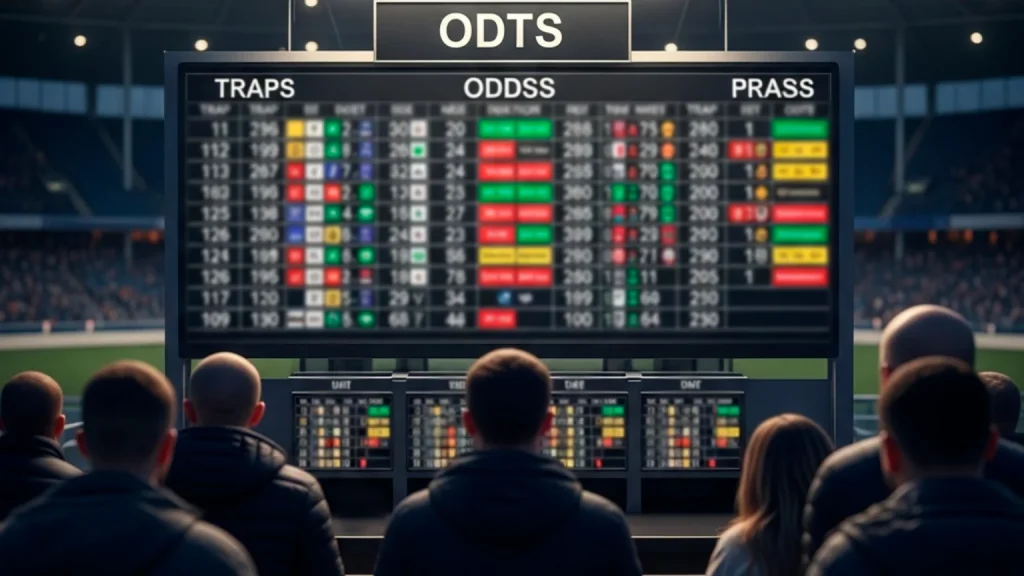
Understanding odds transforms greyhound betting from guesswork into informed decision-making. The numbers displayed alongside each runner encode essential information about expected probability and potential returns. Learning to read and interpret these figures provides the foundation for any serious betting approach. The wider context is set out in our guide to watching UK greyhound racing.
British greyhound racing generates substantial betting activity. UK greyhound betting turnover reached £1.46 billion in 2024, according to industry analysis. This significant market means odds receive considerable attention from bookmakers and bettors alike, creating competitive pricing that rewards understanding.
This guide explains how greyhound odds work, from the different formats you encounter to the mechanics of price setting and movement. Whether you prefer fractional or decimal display, you will find the knowledge needed to interpret what odds mean and what they tell you about each race.
Fractional vs Decimal Odds
Fractional odds represent the traditional British format. Written as two numbers separated by a slash, like 5/1 or 7/2, they express profit relative to stake. At 5/1, a winning £1 bet returns £5 profit plus your original £1 stake. At 7/2, a winning £2 bet returns £7 profit plus your £2 stake. The format has deep roots in British betting culture.
Decimal odds have gained popularity through online betting. Written as single numbers like 6.00 or 4.50, they express total return including stake. At 6.00, a winning £1 bet returns £6 total. Converting from fractional to decimal involves dividing the first number by the second and adding one: 5/1 becomes 6.00, and 7/2 becomes 4.50.
Odds-on prices indicate favourites expected to win more often than not. In fractional format, these appear as smaller first numbers like 4/5 or 1/2. In decimal format, they appear as numbers below 2.00. A 4/5 shot returns just 80p profit for every £1 staked, reflecting high win probability but modest potential returns.
Most bookmakers allow you to choose display format in settings. Switching between formats helps when one presentation feels more intuitive for particular calculations. Many experienced bettors develop fluency with both systems and switch depending on what they need to assess quickly.
Evens represents the crossover point where stake equals potential profit. Written as 1/1 in fractional format or 2.00 in decimal, evens implies roughly 50% win probability before margin. Understanding this reference point helps contextualise other prices quickly. Prices shorter than evens indicate strong favourites; prices longer indicate outsiders.
How Greyhound Odds Are Set
Bookmakers employ traders who assess greyhound form and set initial prices. These professionals analyse recent performances, trap statistics, trainer form, and track conditions to estimate each runner’s winning probability. Initial odds reflect their judgement before public betting begins.
Market forces adjust prices once betting opens. Heavy backing of a particular greyhound shortens its odds as bookmakers reduce exposure to potential losses. Lack of interest in other runners lengthens their odds. This dynamic process continues until betting closes at race time.
The overround ensures bookmaker profit regardless of outcome. Adding together the implied probabilities of all six runners typically exceeds 100%, with the excess representing the margin. A market with 115% overround means bookmakers expect to retain roughly 15% of total stakes over time.
Starting prices represent official odds at race time. These figures, determined by on-course bookmakers, settle bets where SP was selected rather than fixed odds. Starting prices often differ from early betting odds, reflecting market movement throughout the betting period.
Betting shop turnover on greyhound racing reached £794 million in the 2023-24 financial year, according to Gambling Commission industry statistics. This substantial activity creates liquid markets where prices respond to genuine demand rather than thin trading.
Calculating Returns
Fractional odds calculate profit by multiplying stake by the fraction. At 4/1 with a £5 stake, profit equals £5 multiplied by 4, which is £20. Adding back the stake gives a total return of £25. The fraction literally tells you what multiple of your stake you win.
Decimal odds calculate total return by multiplying stake by the decimal figure. At 5.00 with a £5 stake, total return equals £5 multiplied by 5.00, which is £25. Subtracting the stake reveals profit of £20. The decimal already includes stake return in its calculation.
Multiple bets compound odds across selections. A double combining two 3/1 winners multiplies the odds: 4 times 4 equals 16, so a £1 stake returns £16 total. Each additional selection multiplies further, creating potentially large returns from small stakes.
Implied probability converts odds into percentage chances. Dividing 1 by decimal odds approximates probability: at 4.00, implied probability is 25%. Comparing this figure with your own assessment identifies potential value where your estimated probability exceeds what odds imply.
Bookmaker calculators handle complex calculations automatically. Entering stake and odds produces instant return figures, and most platforms calculate accumulator returns across multiple selections. Using these tools prevents arithmetic errors that cost money.
Odds Movement and What It Means
Shortening odds indicate a greyhound attracting support. When prices contract from 5/1 to 3/1, significant money has backed that runner. This movement might reflect informed opinion, market manipulation, or simply popular sentiment. Distinguishing between these causes requires experience and additional information.
Drifting odds suggest a runner losing support. Prices extending from 4/1 to 7/1 indicate either opposition money going elsewhere or negative information reaching the market. Late drifts sometimes reflect genuine concern from those with inside knowledge.
Steam moves describe rapid, dramatic shortening. When a greyhound’s odds collapse suddenly, professional money is often responsible. These moves typically occur closer to race time and suggest confident backing from sources with reliable information.
Market confidence varies with move timing. Early morning moves may reverse as more money enters the market. Moves in the final minutes before racing carry more weight because they leave less time for correction.
Tracking odds movement helps identify where smart money goes. Bookmaker odds comparison sites display historical prices, showing how each runner’s odds evolved. This information adds context to current prices that snapshot views miss.
Putting Odds Knowledge into Practice
Price comparison across bookmakers identifies the best available odds. Different operators offer different prices, and consistently taking the highest available odds compounds into significant difference over time. Comparison sites facilitate quick checking without visiting multiple platforms individually.
Value betting focuses on odds that exceed estimated probability. If you assess a greyhound at 25% win probability but odds imply only 20%, you have identified value. Consistently backing value selections produces profit over time regardless of individual race outcomes. This mathematical approach underpins successful betting strategies.
Record keeping tracks whether your odds interpretation produces results. Noting the odds taken and outcomes achieved reveals patterns in your approach. This feedback identifies strengths to emphasise and weaknesses to address. Without records, improvement depends on unreliable memory. Reading the card comes first: dog racing form.
Understanding odds represents essential knowledge for greyhound betting. The numbers tell a story about probability, market sentiment, and potential returns. Reading that story accurately provides advantages that casual punters who ignore odds mechanics consistently miss. Every serious bettor builds this foundation before developing more sophisticated approaches.
