Greyhound Racing Injury Prevention: Track Safety Measures UK
 Available in US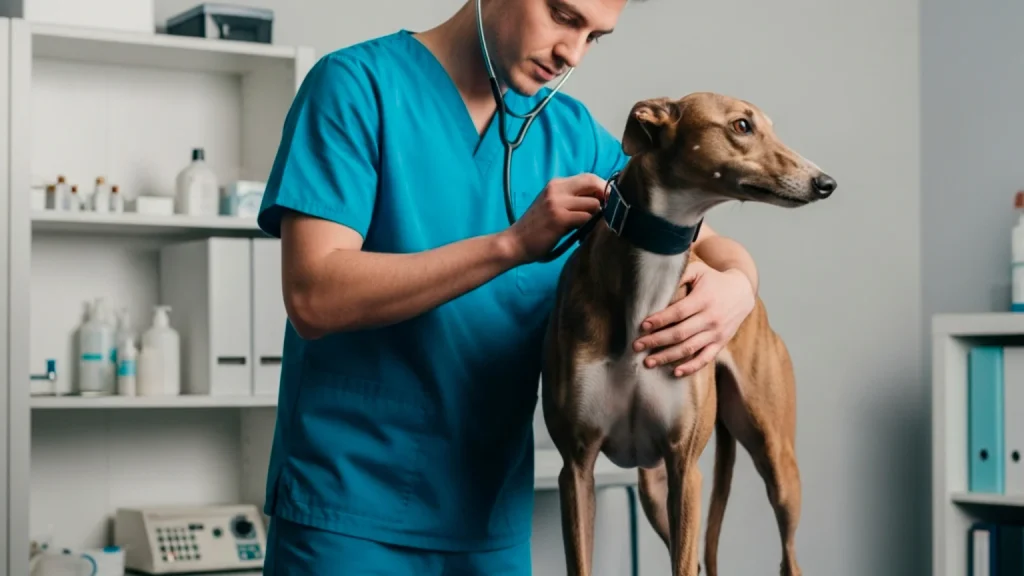
Greyhounds run fast. They reach speeds exceeding 45 miles per hour while navigating bends and competing in close proximity to other dogs. The physics of this scenario creates inherent injury risk — the question is not whether injuries occur but how effectively the sport prevents and manages them. The wider context is set out in our guide to watching UK greyhound racing.
British greyhound racing has invested substantially in injury prevention over recent years. Track surfaces, safety equipment, veterinary oversight, and racing protocols have all evolved in response to welfare scrutiny and regulatory requirements. The results show in falling injury rates, though critics argue the baseline remains unacceptable.
This guide examines how UK greyhound racing approaches injury prevention across its 18 GBGB-licensed tracks. From the infrastructure investments that make tracks safer to the veterinary systems that respond when injuries occur, the framework represents the sport’s practical response to welfare imperatives.
Track Safety Investments
Track surfaces represent the primary injury prevention investment. Sand-based surfaces require constant maintenance — raking, watering, and depth monitoring throughout race meetings. The going conditions affect injury risk directly; surfaces too firm increase impact stress, while excessively loose going causes muscular strain. Racing managers adjust maintenance protocols based on weather conditions and accumulated wear.
Running rail design has evolved significantly. Modern rails use collapsible or deflecting sections that yield on impact rather than transferring full force to the dog. The bend sections — where most falls occur — receive particular attention, with padding and rail positioning calibrated to reduce injury severity when dogs make contact.
GBGB’s Track Safety Committee coordinates investment across licensed venues. In 2024, the committee distributed £168,000 in grants funding specific safety improvements at tracks, according to GBGB’s Progress Report. This funding targets identified weaknesses — worn rail sections, drainage problems, surface inconsistencies — prioritised by injury data analysis.
Trap design affects injury rates from the race’s opening seconds. Starting traps must release dogs simultaneously and cleanly; uneven breaks cause crowding at the first bend. Modern trap systems use electronic synchronisation and undergo regular calibration. Tracks with persistent trap-related incident rates face mandatory equipment review and potential racing suspension.
Lighting systems ensure adequate visibility for evening racing when most meetings occur. Inadequate illumination causes dogs to misjudge distances and positions; proper lighting schemes eliminate shadows and glare points that might confuse animals running at speed. LED installations have replaced older lighting at several venues, providing more consistent illumination.
The physical environment extends beyond the track itself. Kennel blocks, parade rings, and loading areas must be maintained to prevent injuries outside racing. Slip-resistant flooring, appropriate temperature control, and escape-proof fencing protect dogs throughout their time at the stadium, not merely during the races themselves.
Veterinary Oversight at Races
Every GBGB race meeting requires licensed veterinary attendance. The vet inspects dogs before racing, assesses injuries during meetings, and determines whether dogs are fit to continue competing. This mandatory presence creates real-time medical oversight that can intervene immediately when problems arise.
Pre-race examinations check for obvious lameness, illness, or condition changes that might indicate injury risk. Dogs showing abnormalities are scratched from their races; trainers cannot override veterinary decisions on fitness. The inspection occurs in the kennelling area, with sufficient time for replacements if dogs are withdrawn.
Trackside response capabilities include basic injury treatment and stabilisation. Track vets carry equipment for immediate care — splinting, pain relief, wound management — allowing first response within seconds of injury occurrence. The goal is stabilisation for transport rather than definitive treatment, which occurs at veterinary facilities after the meeting.
Post-race examination identifies injuries that might not be immediately obvious. Dogs completing races still receive veterinary attention, with handlers required to present their animals for inspection. Subtle lameness or soft tissue injuries can be detected before they develop into serious problems requiring extended recovery.
Record-keeping requirements ensure injuries are documented regardless of severity. Every treatment, scratch, and withdrawal creates a record that feeds into industry-wide injury monitoring. This data drives both individual dog management and systemic safety improvements — identifying tracks, conditions, or circumstances with elevated injury rates.
The Injured Greyhound Scheme provides veterinary funding for dogs injured during racing. Trainers can access treatment for racing injuries without bearing the full cost themselves, removing financial barriers that might otherwise lead to delayed treatment or premature retirement. The scheme has paid over £1.4 million since its introduction in 2018.
GBGB Safety Protocols
The Rules of Racing codify safety requirements across all licensed tracks. These regulations specify minimum standards for track construction, equipment maintenance, veterinary provision, and racing conduct. Tracks failing to meet standards face sanctions including loss of racing authorisation — a commercial death sentence that ensures compliance.
Mark Bird, GBGB Chief Executive, addressed the framework’s evolution in recent communications: “The initiatives we have introduced in recent years are now embedded and are helping to consolidate the significant progress we have made since 2018 across all measures.” This embedding process involved both regulatory changes and cultural shifts within the industry.
Race scheduling protocols limit how frequently dogs can compete. Mandatory rest periods between races allow recovery and prevent cumulative strain that increases injury risk. Racing managers must verify that dogs have not run within specified intervals before accepting entries. The system prevents the over-racing that historically caused preventable injuries.
Field composition rules address crowding and interference risks. Race grades must be reasonably matched to prevent mismatches where faster dogs create collision hazards. Trap draws follow systematic processes rather than arbitrary assignment, with consideration for dogs’ running styles and known preferences.
Kennel inspections verify that training facilities meet welfare standards. GBGB inspectors visit licensed kennels regularly, checking housing conditions, veterinary records, and training practices. The frequency of these visits has increased substantially since 2022, with routine kennel inspections up 73.2% compared to the programme’s initial implementation.
Sanction structures punish welfare violations with meaningful consequences. Trainers whose dogs suffer preventable injuries face investigation, with penalties ranging from fines to licence suspension. Repeat offenders risk permanent exclusion from the sport. The enforcement machinery creates incentives for proper care that complement trainers’ natural interest in protecting their animals.
Injury Statistics and Trends
GBGB publishes comprehensive injury data annually, providing transparency rare in animal sports. The 2024 figures show an injury rate of 1.07% — meaning just over one injury per hundred race runs. This represents the lowest recorded rate since systematic data collection began, down from higher levels earlier in the decade.
The injury calculation includes all incidents requiring veterinary notation, from minor muscular strains through to serious fractures. This inclusive definition means the headline figure captures the full range of racing injuries rather than only severe cases. Critics note this breadth while acknowledging the transparency it provides.
Fatal injuries attract most public attention. Track fatalities — dogs dying during or immediately after racing — occurred 123 times in 2024. This represents approximately 0.03% of race runs, a rate that has halved since 2020. The absolute numbers still trouble welfare advocates, who argue that any deaths are excessive.
Injury types fall into predictable categories. Hock and wrist injuries predominate, reflecting the stress these joints absorb during high-speed running and cornering. Toe fractures and muscular strains are common but typically less serious. Catastrophic injuries — severe fractures, spinal damage — are statistically rare but receive disproportionate attention given their severity.
Trend analysis reveals consistent improvement across most metrics. Year-over-year comparisons show falling injury rates, reduced severity distributions, and declining fatality numbers. Whether this trajectory will continue, or whether a natural floor exists below which further improvement becomes impractical, remains uncertain.
Track-specific data identifies venues with elevated or reduced injury rates. This information drives targeted safety investment and, in extreme cases, regulatory intervention. Tracks with persistently high rates face enhanced scrutiny and mandatory improvement programmes that can require substantial expenditure on infrastructure upgrades.
The Safety Record
British greyhound racing cannot eliminate injury risk entirely — the athletic activity inherently involves physical stress and competitive interaction. What the sport can do, and increasingly has done, is minimise preventable injuries through systematic investment in track safety, veterinary provision, and regulatory enforcement.
The current injury rate of 1.07% means that most greyhounds race without incident most of the time. Whether this represents acceptable risk or unacceptable harm depends on perspective. Industry advocates point to improving trends and compare favourably with other animal sports. Critics argue that any injuries in a commercial entertainment activity are ethically problematic. The wider welfare picture is in welfare and retirement.
What the data demonstrates is that injury prevention efforts have produced measurable results. Track safety investments, veterinary oversight, and protocol enforcement have combined to reduce injury rates to their lowest recorded levels. The framework continues evolving as the sport responds to welfare scrutiny and its own internal commitments to animal protection.
