Greyhound Racing for Beginners UK: Complete Starter Guide
 Available in US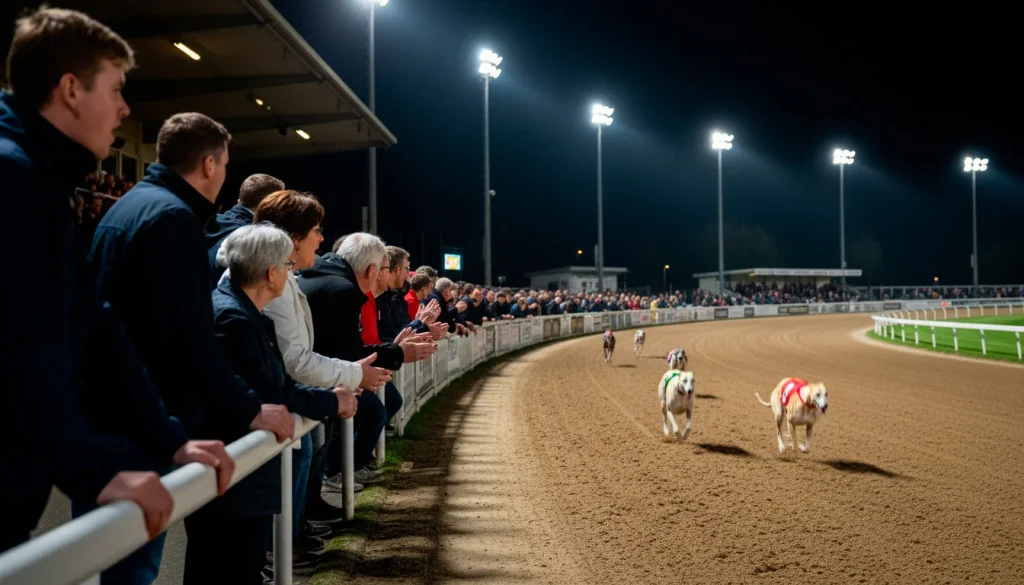
Greyhound racing offers one of Britain’s most accessible spectator sports. The action is fast, the races are frequent, and you do not need any prior knowledge to enjoy watching dogs compete at remarkable speeds. Yet understanding the basics transforms casual observation into genuine appreciation of what unfolds on the track. The wider context is set out in our guide to watching UK greyhound racing.
The sport operates on straightforward principles. Six greyhounds chase a mechanical lure around an oval track, and the first to cross the finish line wins. Races typically last around thirty seconds, delivering excitement in concentrated bursts rather than drawn-out affairs. This intensity makes evening meetings entertaining even for newcomers who arrived without expectations.
This guide covers everything beginners need to know. From the mechanics of how races work to what happens when you visit a stadium, you will find the practical foundations that turn confusion into comprehension. No previous experience required, just curiosity about a sport that has entertained British audiences for nearly a century.
How a Greyhound Race Works
Six greyhounds line up in starting traps, each wearing a coloured jacket that identifies their trap position. Trap one wears red, trap two wears blue, trap three wears white, trap four wears black, trap five wears orange, and trap six wears black and white stripes. These colours remain consistent across all British tracks, so learning them once applies everywhere.
A mechanical lure, traditionally called the hare, travels along a rail ahead of the traps. When the lure passes, the traps open simultaneously and the greyhounds burst out in pursuit. Their prey instinct drives them to chase, and speeds regularly exceed 40 miles per hour within the first few strides.
The track forms an oval with two bends and two straights. Standard distances range from around 260 metres for sprints to over 600 metres for staying races. Most races fall somewhere between, with 480 metres representing a common middle-distance trip. The first greyhound to cross the finish line wins, with placings recorded for second through sixth.
Races at a typical meeting occur every fifteen minutes or so. This frequency means plenty of action throughout an evening session, usually ten to twelve races in total. The regular intervals allow time to study the next race, place bets if desired, and refresh drinks between events.
Officiating ensures fair competition. Stewards monitor races for interference, and results can be amended if a greyhound causes problems for others. Photo finishes resolve close decisions, with cameras capturing the exact moment runners cross the line.
What to Expect at Your First Meeting
Arriving at a greyhound stadium feels different from attending larger sporting venues. The atmosphere is relaxed and informal. Most visitors dress casually, facilities are accessible, and staff generally welcome newcomers with patience. You do not need to pretend you know what you are doing; many people around you remember being beginners themselves.
Admission prices vary between tracks but typically remain modest. Some stadiums offer packages that include entry, a meal, and a race programme. Arena Racing Company tracks reported attendance increases of 5% in 2025, suggesting the sport continues attracting new visitors alongside regular patrons.
The race programme or card lists all greyhounds competing in each race. This document contains names, trap draws, recent form, and trainer information. Studying it helps you follow the action and understand what you are watching. Programmes cost a few pounds and provide the reference point for the evening.
Betting facilities exist but participation is optional. Tote windows and bookmaker pitches accept wagers from those who want to add financial interest to their viewing. Minimum stakes typically start low, so casual punters can participate without significant risk. However, many attendees simply watch and enjoy without placing any bets at all.
Food and drink options cater to various preferences. Restaurants at larger tracks serve full meals, while smaller venues offer bar snacks and fast food. Alcohol is available at most stadiums, contributing to the social atmosphere of evening meetings. Families with children attend at many tracks, indicating the broad appeal beyond purely adult entertainment.
Basic Terminology Explained
Trap refers to the starting box from which a greyhound begins. Each trap has a number and corresponding jacket colour. Saying a dog “drew trap three” means it starts from the third position wearing the white jacket.
Form describes a greyhound’s recent racing history. Good form means winning or placing consistently. Poor form means finishing well back in the field. When someone mentions “form suggests the favourite,” they mean recent results support market expectations.
The hare is the mechanical lure that greyhounds chase. Modern systems use an artificial hare on a motorised rail. The name persists from early racing history when live hares were used, a practice long since abandoned.
Grading categorises greyhounds by ability. Higher grades contain faster, more accomplished runners. Lower grades contain slower or less experienced dogs. Races typically match greyhounds of similar grades to produce competitive fields.
A meeting refers to an entire session of racing at one venue on one day. Evening meetings start around 7pm and run through multiple races. Morning and afternoon meetings serve different audiences with earlier start times.
The kennel means the trainer’s establishment where greyhounds live and train. Owners place their dogs with trainers who prepare them for racing. When commentators mention “the kennel is in good form,” they mean that trainer’s greyhounds are performing well generally.
Going describes track surface conditions. Standard going means normal conditions. Heavy going means soft, wet sand that slows times. Firm going means drier, faster conditions. Greyhounds may perform differently depending on going conditions they encounter.
Tips for First-Time Viewers
Arrive early enough to settle in before racing begins. The first race sets the rhythm for the evening, and watching from the start helps you acclimatise. Walking around the venue to find good viewing positions makes subsequent races easier to follow.
Watch the parade before each race. Greyhounds are led around the track so spectators can see them before they race. This preview lets you observe their physical condition and demeanour. Some viewers develop skills at reading body language that informs their selections.
Focus on one or two greyhounds per race rather than trying to follow all six. Picking a dog to support, whether based on name, colour, or random choice, concentrates your attention and makes the thirty seconds of action more engaging.
Ask questions without embarrassment. Regular attendees and track staff encounter newcomers frequently. Most are happy to explain what is happening, clarify betting procedures, or recommend what to watch. The culture is generally welcoming rather than exclusive.
Keep initial bets small if you choose to wager. Learning while risking significant amounts creates pressure that diminishes enjoyment. Treating early bets as entertainment expenditure rather than investment opportunities maintains perspective as you learn.
Taking Your Next Steps
After your first meeting, returning to the same GBGB-licensed track helps build familiarity. Learning one venue’s rhythms, staff, and regular greyhounds creates foundation knowledge that deeper understanding requires. Variety can come later once basics feel comfortable.
Studying form guides between visits accelerates learning. The Racing Post and bookmaker platforms publish race cards in advance. Reviewing runners before attending lets you arrive with context rather than starting fresh each time.
Watching televised racing extends exposure without travel. Sky Sports Racing and bookmaker streams provide daily coverage. Home viewing complements track attendance by showing races from venues you cannot easily visit in person. The first bet to understand is how to bet on greyhounds.
Greyhound racing rewards those who engage seriously, but it also welcomes those who simply want occasional entertainment. The sport asks nothing more than showing up with curiosity. Whether you become a dedicated follower or remain an occasional visitor, the basics covered here will serve you well whenever you watch the dogs run.
