Greyhound Form Guide UK: How to Read Dog Racing Form
Best Greyhound Betting Sites – Bet on Greyhounds in 2026
Loading...
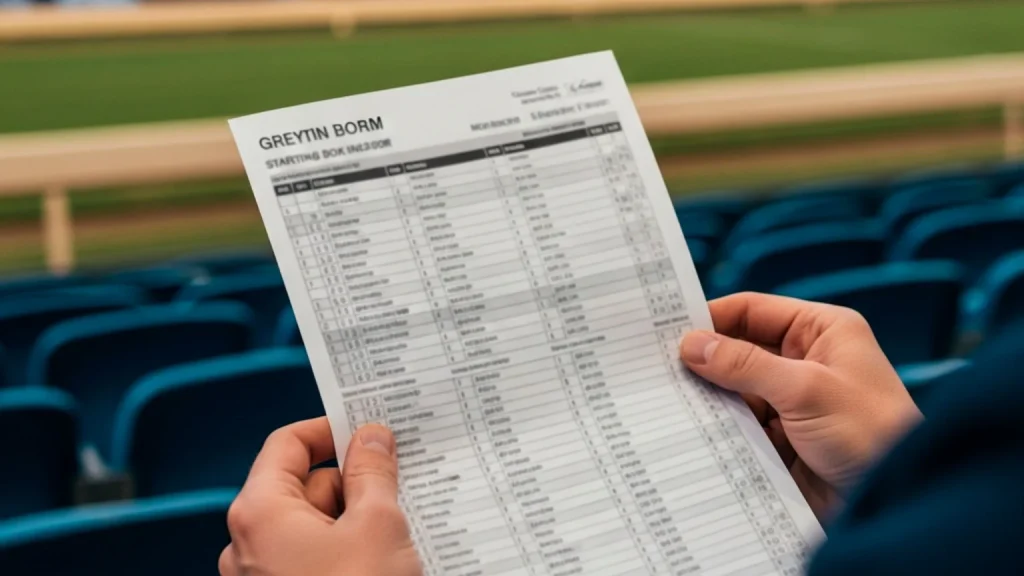
Reading a greyhound form guide separates casual punters from those who approach the sport with genuine understanding. The dense rows of numbers, abbreviations, and symbols that fill race cards contain everything needed to assess a runner’s chances, but only if you know how to decode them. This skill takes time to develop, yet even basic competence dramatically improves your ability to make informed selections.
Form guides exist because greyhound racing produces measurable data with every run. Times, positions, trap performances, and running styles all generate records that predict future behaviour. Unlike sports where outcomes depend heavily on team tactics or opponent matchups, greyhound racing offers direct performance metrics that reward careful study.
Mark Bird, GBGB Chief Executive, has noted the progress made in consolidating welfare initiatives alongside improvements in racing data accessibility. This dual focus means form guides now contain richer information than ever before, supporting both betting analysis and transparency around greyhound welfare. Understanding how to use this data respects the investment the industry makes in collecting and publishing it.
What Is a Greyhound Form Guide
A form guide compiles a greyhound’s recent racing history into a standardised format that allows quick comparison between runners. Each line typically represents one previous race, showing where the dog finished, how fast it ran, which trap it started from, and what happened during the race. Multiple lines stacked together create a profile of consistent tendencies and recent trajectory.
The Racing Post publishes the most widely used form guides in Britain. Their race cards appear in print and online, formatted identically so regular readers develop fluency with the layout. Bookmakers reproduce similar information within their platforms, though presentation varies between operators. Learning one format generally transfers to others with minor adjustments.
Form guides serve multiple audiences. Casual viewers use them to understand what they are watching. Bettors extract patterns that inform selections. Trainers and owners monitor their own dogs and assess competition. The same data supports all these purposes, which explains why the industry invests in maintaining comprehensive, accurate records across all GBGB-licensed tracks.
Historical form differs from current form in important ways. A greyhound’s results from six months ago tell you less than last week’s runs. Form guides typically display recent races prominently, with older results either omitted or shown with visual distinctions that signal their reduced relevance.
Key Data Points Explained
Finishing positions appear as simple numbers: 1 for first, 2 for second, and so on through to 6 for last place in a standard race. These figures tell you the outcome but not the story. A greyhound finishing second by a short head had a very different race from one finishing second by eight lengths. Margins matter as much as positions.
Times measure how long a greyhound took to complete the race distance. These appear in seconds and hundredths, with faster times obviously being better. However, times only compare meaningfully within the same track and distance. A 29.50 at Romford cannot be directly compared to a 29.50 at Nottingham because track configurations differ.
Sectional times break the race into segments, showing how a greyhound performed through different phases. Early pace figures reveal whether a dog breaks quickly from traps. Late sectionals indicate finishing strength. SIS provides trap wins statistics across more than 15 tracks, and this sectional data helps explain why certain positions produce more winners at specific venues.
Trap numbers recorded in form guides show where the greyhound started. Consistent form from a particular trap suggests the dog suits that position. Inconsistent results across different traps may indicate a runner who depends heavily on draw luck. Comparing today’s trap assignment with historical trap performance provides useful context.
Running comments use abbreviations to describe race incidents. “Led” means the greyhound led at some point. “Crd” indicates crowding or interference. “SAw” means slow away from traps. Learning these abbreviations allows rapid comprehension of how races unfolded beyond mere positions and times.
Weight figures show the greyhound’s racing weight, typically measured in kilograms. Significant weight changes between runs sometimes correlate with fitness fluctuations. A dog racing several pounds heavier or lighter than usual may perform differently than recent form suggests.
Interpreting Recent Form
Recent form carries more weight than historical performance because greyhounds change over time. A dog that won regularly three months ago but has finished mid-pack in recent outings is currently in poor form, regardless of earlier achievements. The most recent two or three runs typically provide the best indication of current ability.
Form strings condense recent finishes into quick reference codes. A string like “112431” shows the last six finishing positions reading from most recent to oldest. Patterns within these strings reveal trends: improving sequences where positions get better, declining sequences where they worsen, or consistent mid-range finishes suggesting a steady but unspectacular performer.
Track form matters because greyhounds perform differently at different venues. A dog with strong form at Monmore Green may struggle at Romford due to track configuration differences. Form guides that display results by track allow you to isolate relevant performances. Today’s race location should match the track where good historical form was achieved.
Distance form follows similar logic. A greyhound excelling over 480 metres may lack stamina for 660-metre races, or a sprinter may not have the early pace for shorter trips. Checking whether previous good runs occurred over today’s distance prevents mistaking irrelevant form for genuine ability at the current trip.
Gaps in racing history require interpretation. A greyhound returning after several weeks off might be recovering from injury, or might have been rested deliberately. First runs back often produce unpredictable results as dogs adjust to race conditions. Noting the date of each previous run helps identify returners.
Using Form for Selections
Comparing form across all six runners in a race produces a hierarchy of expected performance. The greyhound with the best recent times, most consistent finishes, and most suitable trap draw typically attracts favouritism in betting markets. Your task is deciding whether market assessment matches your own reading of the form.
Trainer strike rates available through services like Timeform add another dimension. Some kennels consistently produce winners above expectation, while others underperform their apparent form. Factoring trainer performance into selections captures information that raw greyhound form misses.
Pace analysis predicts how races will unfold. If multiple greyhounds show early speed, they may interfere with each other leaving traps, creating opportunities for closers. If only one dog shows consistent early pace, it may lead throughout unchallenged. Form guides containing sectional data enable this tactical analysis.
Value emerges when your form assessment differs from market opinion. A greyhound you rate highly but the market dismisses offers potential value. Conversely, heavily backed favourites you consider vulnerable based on form present opportunities to oppose. This disagreement between personal analysis and public opinion drives profitable betting.
Developing Your Form Reading Skills
Competence with form guides develops through practice rather than theory alone. Reading cards before meetings, making selections, then checking results teaches you which patterns actually predict outcomes. This feedback loop improves judgement more effectively than any amount of abstract study.
Following specific tracks intensively builds understanding faster than spreading attention widely. Each venue has characteristics that affect how form translates into results. Learning one track deeply before moving to others creates a foundation of genuine expertise that transfers partially to new venues.
Watching races after studying form connects data to visual reality. Seeing how a greyhound described as “led early, faded” actually runs helps you picture what form guide entries mean. This visual context makes future form reading more intuitive and accurate.
Form guides represent the accumulated wisdom of greyhound racing in accessible format. Learning to read them fluently takes effort but rewards that investment with deeper engagement and better-informed selections. The data exists for anyone willing to study it, and the advantage goes to those who do.