
Greyhound Racing Schedule UK 2026: Daily Meetings and Times
Best Greyhound Betting Sites – Bet on Greyhounds in 2026
Loading...
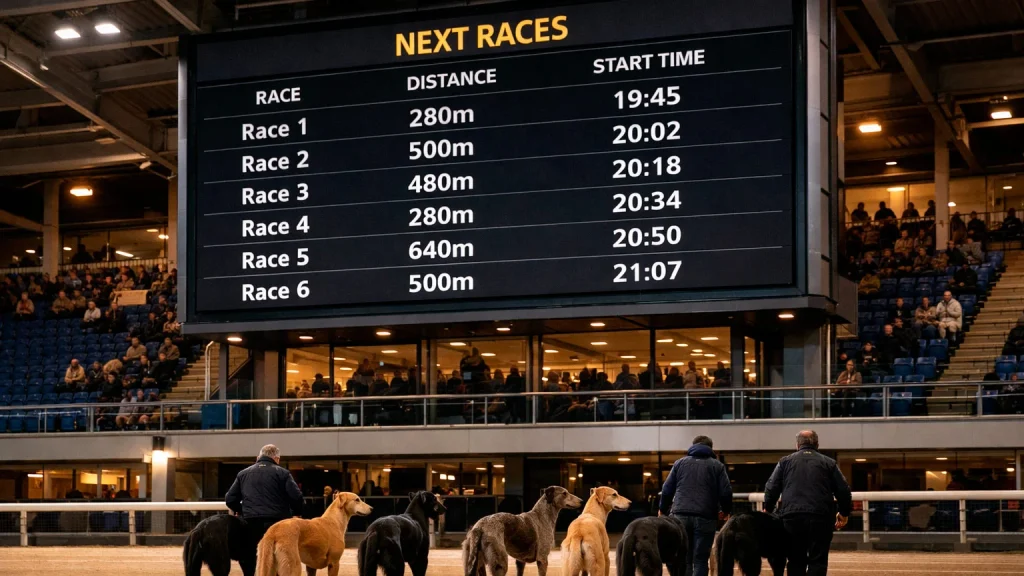
British greyhound racing operates on a structured calendar that delivers action from morning through evening, seven days a week. Understanding this schedule unlocks consistent viewing opportunities whether you prefer early cards during work breaks, afternoon sessions while managing other commitments, or the traditional evening meetings that anchor the sport’s social identity.
The current racing landscape comprises 18 GBGB-licensed tracks distributed across England and Wales. Each venue maintains regular meeting days, creating a predictable pattern that viewers can plan around. While individual tracks may adjust schedules for major events or bank holidays, the underlying structure remains stable throughout the year.
This guide maps the UK greyhound schedule in practical terms. From understanding the logic behind session timing to identifying which tracks race on which days, you will find the information needed to integrate greyhound racing into your regular viewing habits.
How UK Greyhound Racing Is Scheduled
Track scheduling reflects both historical tradition and commercial reality. Evening meetings descend from the sport’s original format, when working spectators gathered after finishing their shifts. Daytime sessions evolved to serve betting shops and online audiences who want racing throughout their day rather than concentrated in a few evening hours.
The GBGB coordinates scheduling to distribute racing across the week without excessive overlap. While multiple tracks often run simultaneously, the regulator works with venues to avoid scheduling direct conflicts for major events. This coordination ensures adequate coverage across broadcast platforms and prevents betting markets from fragmenting excessively.
Commercial agreements with broadcasters and betting operators influence scheduling decisions. SIS, which supplies racing content to bookmakers, requires consistent programming across its coverage windows. Tracks align their start times with these windows to maximise exposure and revenue from media rights.
Seasonal variations affect scheduling modestly. Summer months occasionally see adjusted start times to account for daylight, while winter meetings proceed regardless of weather conditions unless exceptional circumstances intervene. The all-weather nature of greyhound racing, conducted on sand tracks, enables this reliability.
Morning, Afternoon, and Evening Sessions
Morning cards typically begin around 10:30 and conclude by early afternoon. These sessions target the betting shop audience and online punters who want action before afternoon horse racing dominates the schedule. Tracks running morning meetings include Romford, Nottingham, and Newcastle, though the specific roster varies by day.
Afternoon sessions start between 13:00 and 15:00, bridging the gap between morning and evening racing. These cards attract viewers during quieter periods of the day and provide continuous content for streaming platforms. Central Park, Sheffield, and Sunderland frequently host afternoon meetings, offering viable betting markets while evening tracks prepare for their sessions.
Evening meetings remain the prestige slots. Starting times range from 17:30 to 19:30 depending on the track and season. These sessions draw the largest live audiences, receive the fullest television coverage, and host the most significant races. Category One events almost exclusively occur during evening meetings, recognising their traditional prominence.
Saturday evenings represent the week’s peak. Multiple tracks run full evening programmes, major tournaments stage their finals, and attendance figures reach their highest levels. The combination of tradition, visibility, and event quality makes Saturday evening the centrepiece of the greyhound calendar. Sunday evenings follow a similar pattern with slightly reduced activity.
Track-by-Track Schedule Overview
London-area tracks maintain the most frequent schedules. Romford races multiple times weekly across morning, afternoon, and evening slots. This intensity reflects the venue’s commercial importance and its role as a consistent content provider for broadcasters. Crayford similarly offers regular programming, serving southeast England audiences with accessible evening meetings.
Northern tracks distribute racing across different days to avoid direct competition. Newcastle, Belle Vue, and Sunderland coordinate schedules so that followers of northern racing can move between venues without constant clashes. This regional cooperation benefits bettors who specialise in particular circuits.
Midlands venues including Nottingham, Monmore Green, and Dunstall Park anchor substantial evening and afternoon coverage. Nottingham’s Tuesday evening meetings carry particular significance, while Monmore Green’s Saturday cards attract strong local attendance. With more than 355,000 races conducted across GBGB tracks annually, these Midlands stadiums contribute heavily to the overall volume.
The new Dunstall Park stadium, opened in September 2025, has established regular evening slots that complement existing Wolverhampton-area coverage. Its modern facilities and convenient scheduling have quickly attracted consistent audiences, demonstrating that well-positioned new venues can integrate successfully into the existing calendar.
Wales operates a single GBGB track at Valley Greyhound Stadium, which races on designated evenings. This sole Welsh venue faces unique circumstances given ongoing legislative discussions, but currently maintains its scheduled meetings alongside English counterparts.
Planning Your Viewing Week
Effective schedule management begins with identifying your available viewing windows. If your free time clusters in evenings, focus on tracks that race during those hours. If mornings work better, build familiarity with the venues that consistently host early cards. Matching your schedule to track schedules prevents frustration and builds deeper knowledge of specific venues over time.
Race cards for upcoming meetings typically publish 24 to 48 hours in advance. The Racing Post, bookmaker platforms, and track websites all display forthcoming cards with runner lists and trap draws. Reviewing these cards ahead of time allows you to identify races worth watching and prepare any analysis before meetings begin.
Recording facilities through Sky Sports Racing or bookmaker catch-up services extend viewing flexibility. When scheduling conflicts prevent live viewing, recorded coverage allows you to watch later. This approach works less well for betting purposes, as odds close before you can watch, but serves pure viewing interests effectively.
Multi-track viewing requires deliberate planning. On evenings when several venues race simultaneously, deciding in advance which meetings to prioritise prevents chaotic channel-hopping. Following one track carefully typically produces better understanding than sampling multiple venues superficially. The depth of knowledge gained from concentrated viewing outweighs the breadth achieved by scattered attention.
Staying Updated on Schedule Changes
While the underlying schedule remains stable, specific meetings occasionally shift. Bank holidays alter the weekly pattern, major events displace regular cards, and exceptional circumstances sometimes force cancellations. Staying informed about these changes prevents wasted time preparing for meetings that will not proceed as expected.
Track social media accounts provide the most immediate notification of schedule changes. Following venues you regularly watch ensures alerts reach you when adjustments occur. Twitter and Facebook accounts typically post updates before official websites reflect changes.
The GBGB website maintains an official fixtures list that reflects confirmed scheduling. While less immediate than social media, this source provides authoritative confirmation when planning ahead. Cross-referencing social media alerts with official listings confirms information before relying on it.
Racing media outlets including the Racing Post and Greyhound Star monitor schedule changes across the industry. Their reporting catches adjustments that might slip past individual track communications. Regular readers stay informed about the broader picture beyond tracks they personally follow.
The UK greyhound schedule offers something for every viewer: early morning cards for dawn risers, afternoon sessions for flexible schedules, and evening meetings for traditional racegoers. Learning which tracks race when transforms the calendar from a confusing array of options into a navigable system that fits your life. With 18 active venues producing racing throughout the week, finding meetings that suit your availability simply requires knowing where to look.